12-15-years Lifespan Cat Breeds
Discover our comprehensive directory of cat breeds with 12-15-years lifespan.
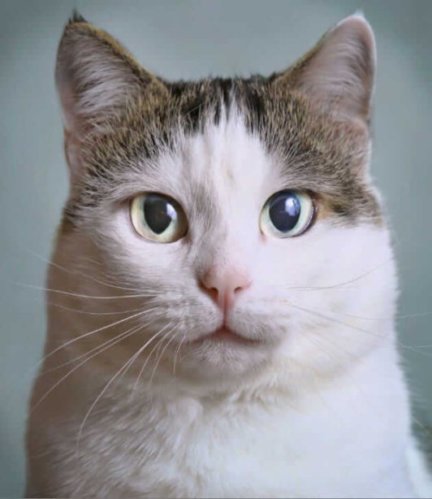
Domestic Shorthair
The most common cat in the world. No pedigree, no breed standard, just a cat shaped by natural selection over thousands of years. They come in nearly every coat colour and pattern. Their health tends to be good and their personalities vary as much as their looks.
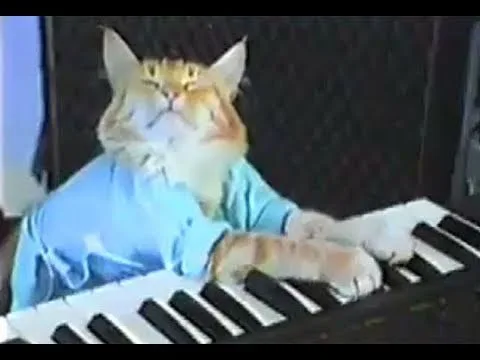
Orange Tabby
Not a breed, just a coat pattern. About 80% of orange tabbies are male due to how the colour gene is inherited. They have a reputation for being food-motivated and sociable, which is probably why Garfield exists.
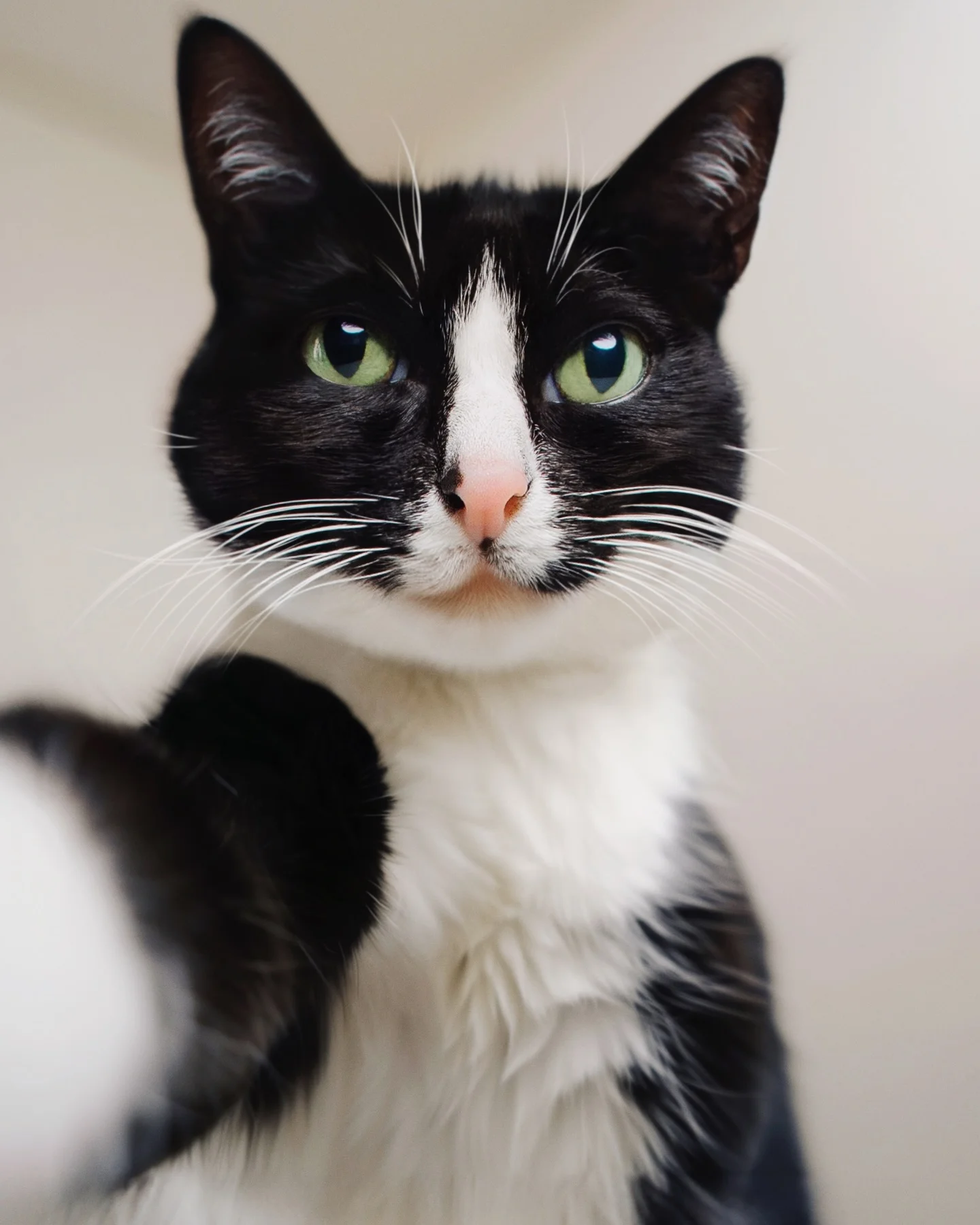
Exotic Shorthair
A Persian with a shorter coat. Same flat face, same temperament, considerably less grooming. They are affectionate and relaxed, content to be near their people without demanding constant attention.
Munchkin
Short legs from a natural mutation. Their legs do not stop them from running or playing. They move differently from other cats but are otherwise typical in personality: active, curious, and sociable.
Abyssinian
One of the oldest known breeds. Their ticked coat gives them a wild look but they are fully domestic. Busy, athletic, and curious. They rarely sit still.
Siberian
Russia's natural forest cat. Triple-layered coat built for cold winters. Large but agile. One of the breeds considered to produce fewer allergens, though not fully hypoallergenic.
Chartreux
A French breed with a blue-grey coat and copper eyes. Their mouth structure creates what looks like a permanent smile. They are quiet, often chirping instead of meowing, and even in temperament.
Egyptian Mau
The only naturally spotted domestic cat breed. Fast runners, capable of reaching around 30 mph. Loyal to their families and wary of strangers.
Ocicat
Looks like a small ocelot but has no wild DNA. The result of accidental Siamese and Abyssinian crosses. Trainable, sociable, and more dog-like than most cats.
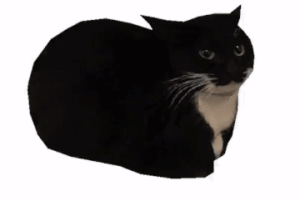
Bicolor
A two-colour coat pattern, not a breed. Usually one colour paired with white. Tuxedo cats are the most well-known bicolors.
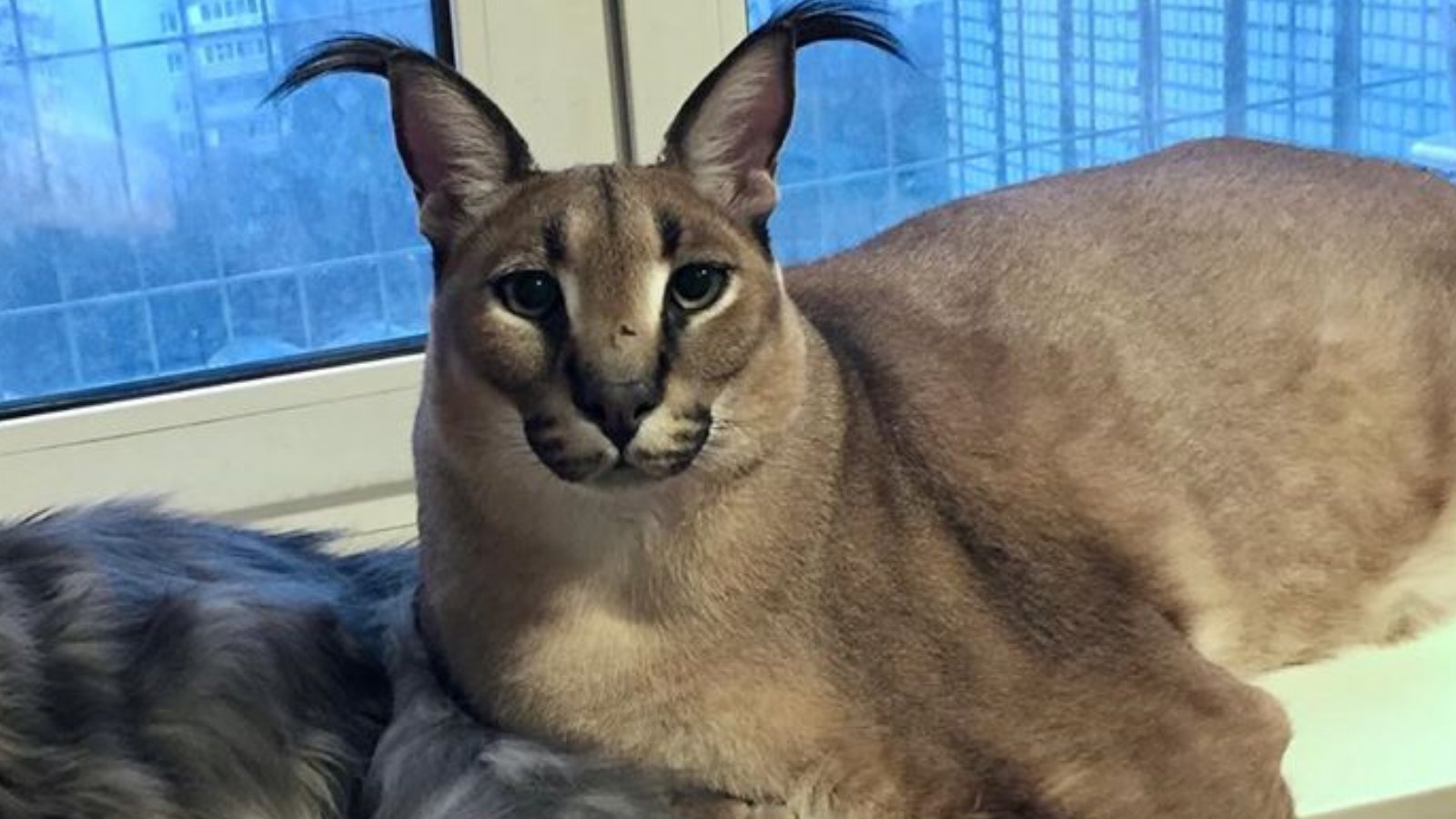
Domestic Shorthair Tabby
A non-pedigree shorthaired cat with tabby markings. The pattern includes stripes, spots, or swirls. One of the most common cats in the world.
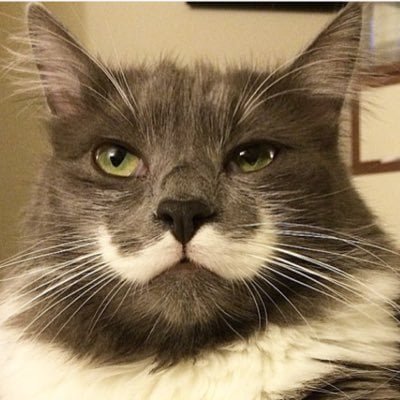
Domestic Shorthair Tuxedo
A black-and-white domestic shorthair. The pattern is called tuxedo for obvious reasons. They share no bloodline beyond the coat colour.
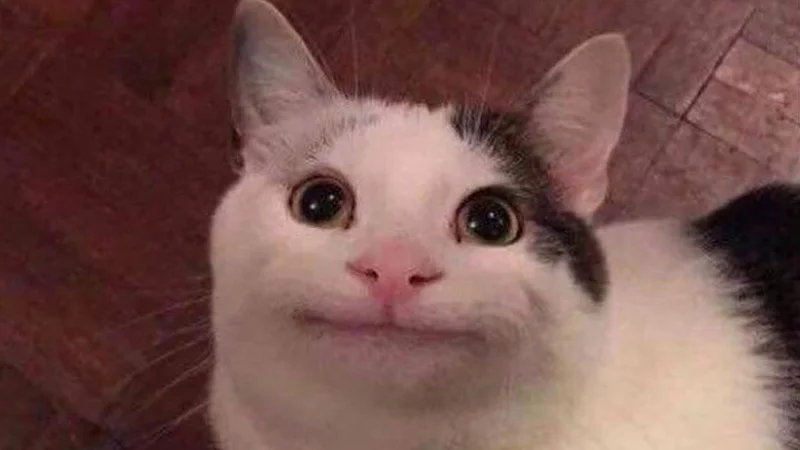
Domestic Shorthair White
A fully white domestic shorthair. White cats with blue eyes often have a hearing impairment due to how the white gene affects inner ear development.
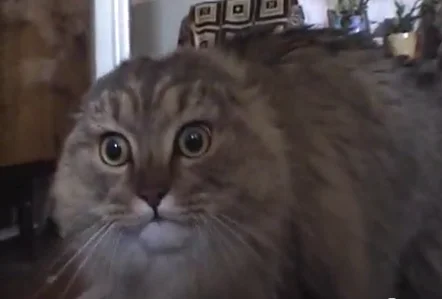
Domestic Siberian
A non-pedigree cat from Russia with Siberian ancestry. Semi-long coat, robust build. They tend to be friendly and bond closely with their families.
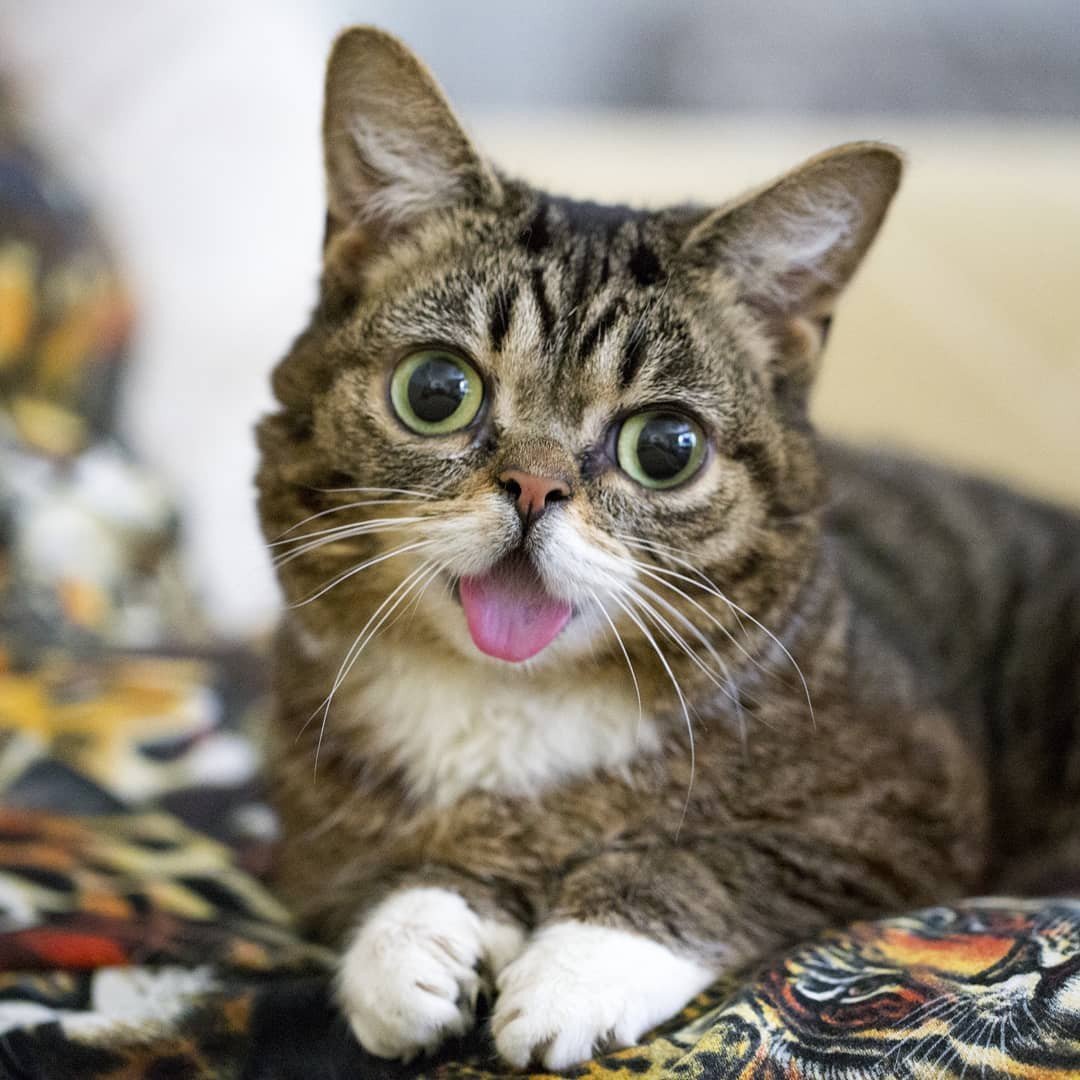
Dwarf
Cats with achondroplastic dwarfism, meaning short legs on a normal-sized body. The Munchkin is the most well-known example. Active and social despite the unusual proportions.
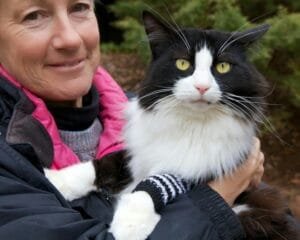
Piebald
A coat pattern with large white patches alongside another colour. Seen in many breeds. The white areas result from a gene that stops pigment cells from reaching parts of the coat.
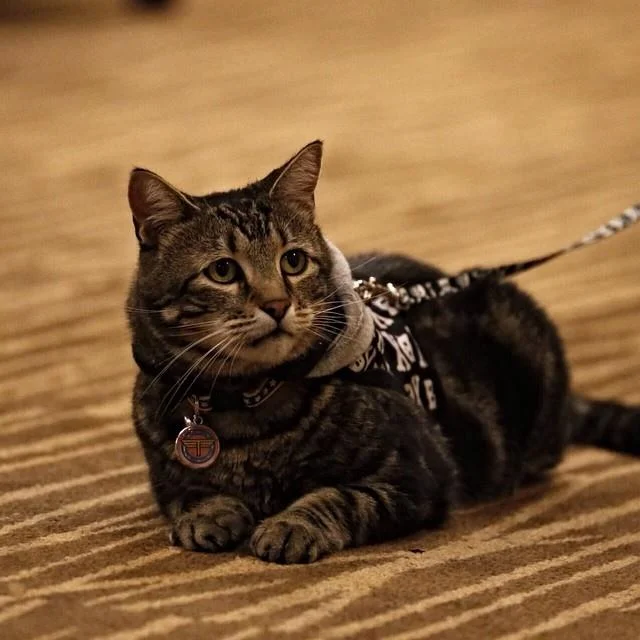
Tabby Cat
A coat pattern, not a breed. Stripes, swirls, or spots, usually with an M-shaped mark on the forehead. Appears in dozens of breeds and most non-pedigree cats worldwide.
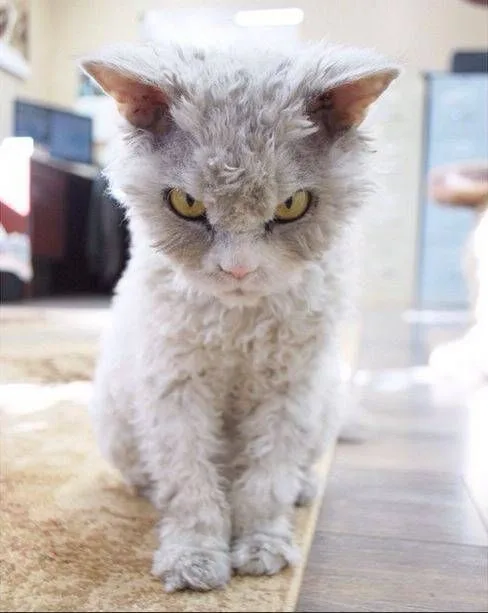
Selkirk Rex
A large, heavily boned cat with a curly coat. They look permanently disheveled. Their whiskers are curly too. Patient and tolerant of handling.
Lykoi
Called the werewolf cat for its patchy, wiry coat and partially bald face. The look comes from a natural mutation. Affectionate and curious despite the haunted appearance.
Havana Brown
Uniformly chocolate brown, including the whiskers. One of the rarest breeds. Developed in England in the 1950s from Siamese and black domestic cat crosses. Curious and sociable.